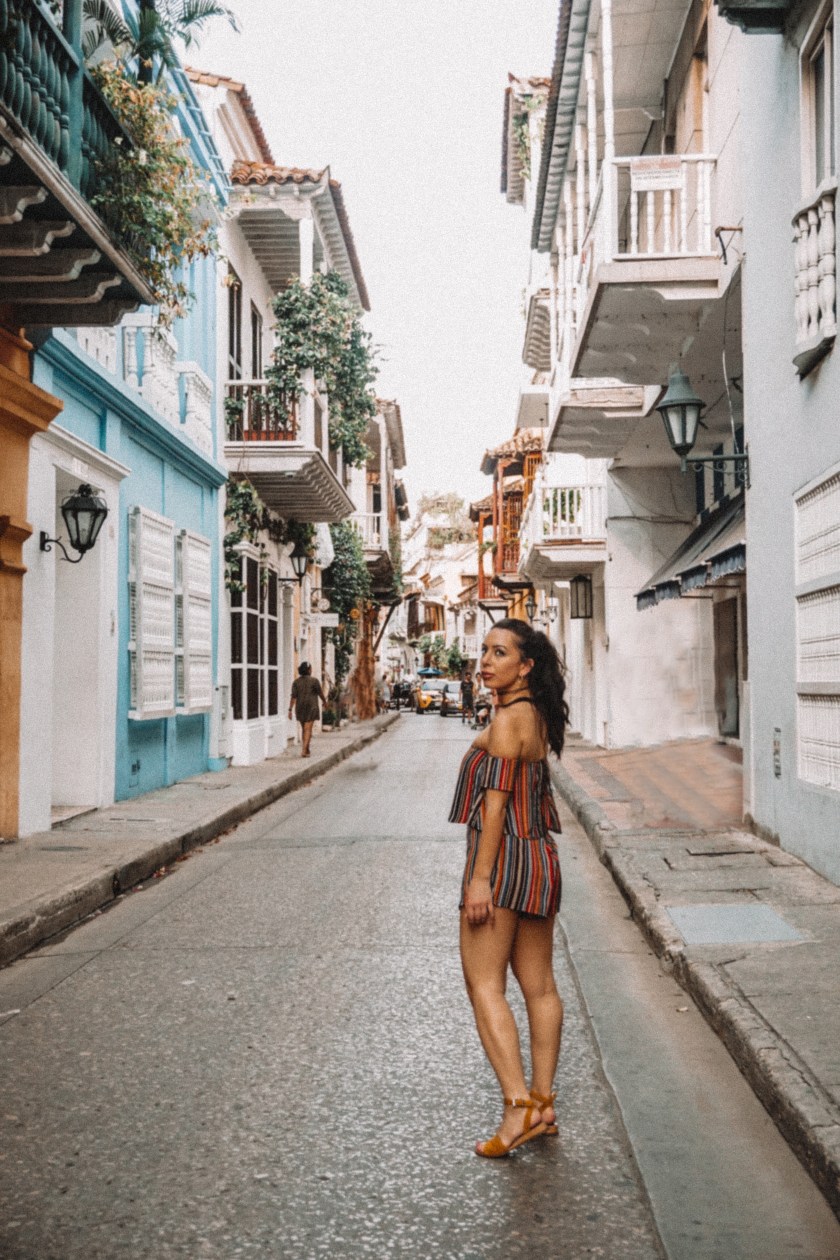
Surrounded by cobbled streets, colorful buildings and ancient doors, there’s a reason why Cartagena is the most vibrant city in South America.
Known as the ‘Jewel of the Indies,’ Cartagena is the most sought after city in Colombia by tourists. Although there are many different neighborhoods to visit within Cartagena, the narrow streets of Centro, also known as Old Walled City or Ciudad Amarullada, is the perfect spot for any first-time visitor seeking a charming and captivating option in an unbeatable location full of colorful history and unique architecture.

The Walled City
To give a brief history on Cartagena, the city was once an abandoned Caribbean village, known as Calamarí, until Spanish Commander Pedro De Heredia took over in June of 1533. He then began building a settlement one colonial building at a time. It was not that long after Heredia took over that sailors from Cartagena, Spain followed in his footsteps, well wave steps. The new settlement was then quickly named Cartagena de las Indias in reference to its Spanish counterpart.

As a key player in Colombia’s history, Cartagena protected its country against many invasions. After a fatal fire led to the discovery of buried tombs filled with the riches of the previous settlers, the Sinus Amerindian tribe, Cartagena began to prosper. News spread of the prosperity, which inevitably left the city vulnerable to invasions.
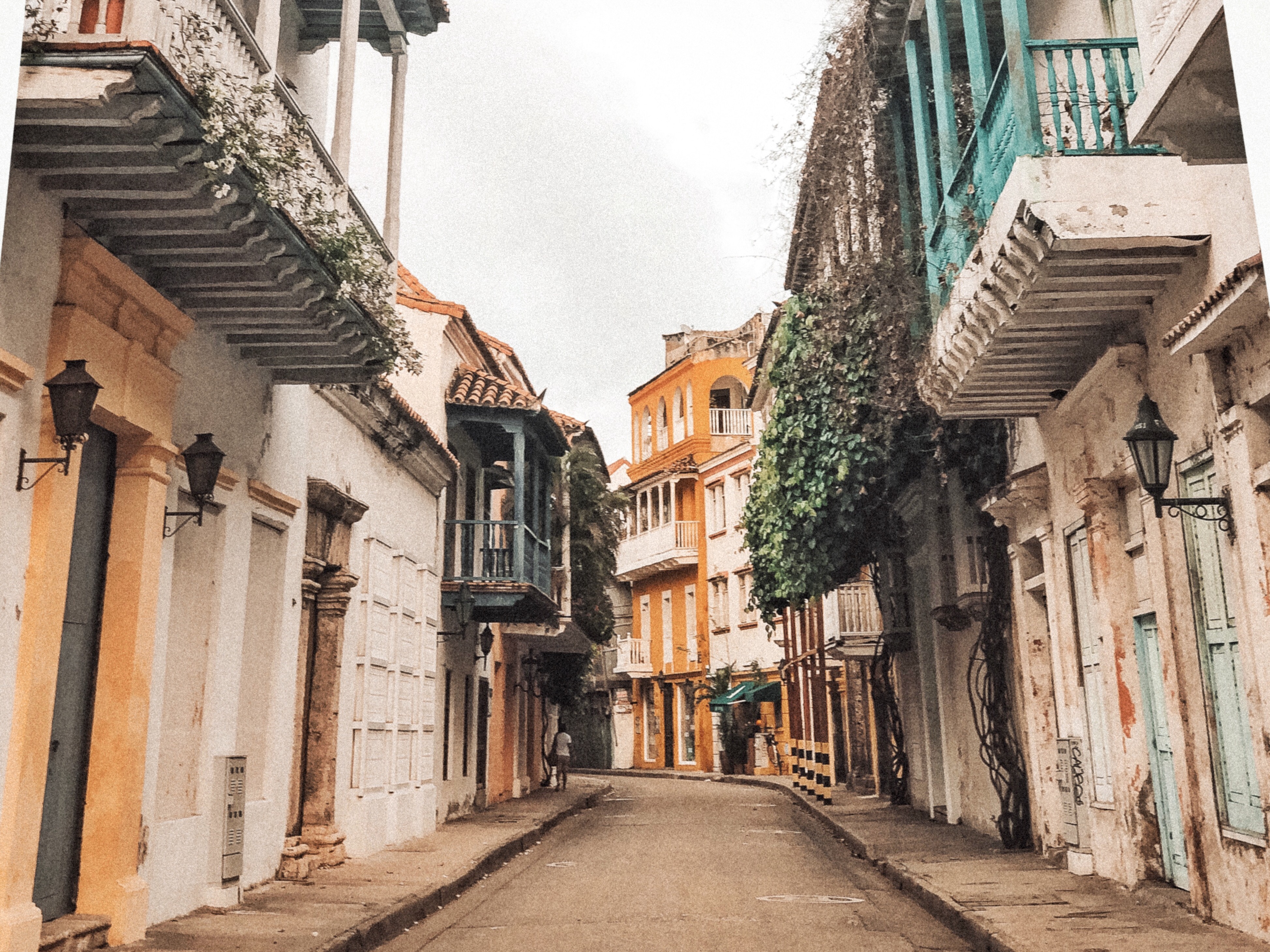
As Cartagena became one of the most important ports for Colonial Spain, noblemen, also known as pirates, from all over the world selfishly wished to stake claim on the cities riches for themselves and their homeland. Cartagena’s need for protection against these pirate attacks led to the enclosing of the city by the construction of a stone fortress and surrounding wall. This old city of Cartagena, now a UNESCO World Heritage site, is now nicknamed, The Walled City.

Knock knock. Who’s there?
The doors of Cartagena, that’s who. A prominent characteristic of old city Cartagena is the abundance of unique Instagram-worthy colonial doors. Walking down the streets of the Walled City, you will quickly find your focus being pulled in many different directions by the attention-grabbing doors that come in all sorts of shapes, colors and sizes.
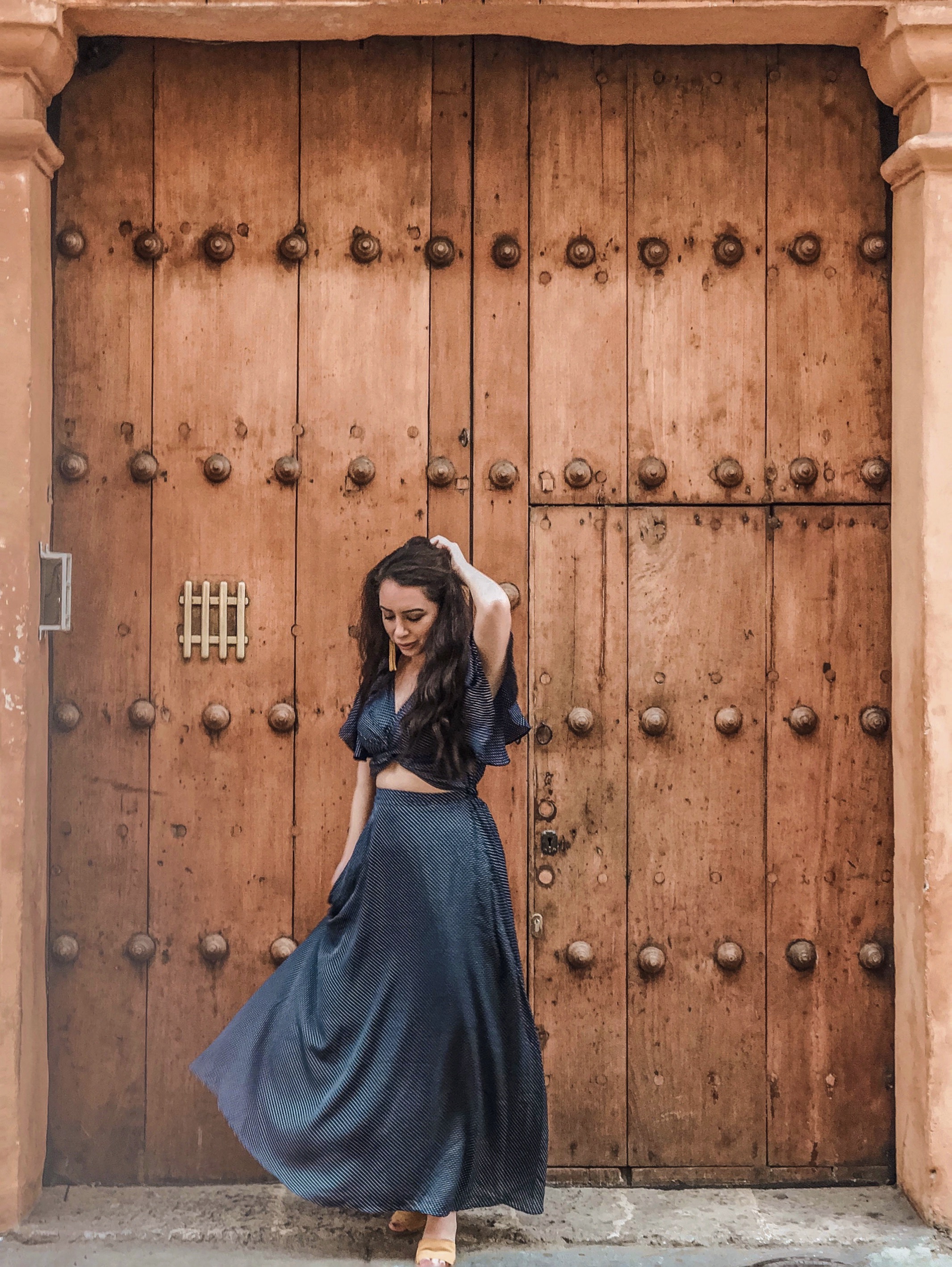
Although each door looks like it has it’s own story to tell, there was a time when the decorative door symbolized the wealth and status of the residing family. Each door is uniquely embellished in iconic aldabas, elaborate door-knockers, to represent the families heritage and social positioning. For example, while door-knockers in the shape of Lizards represent royalty, marine motifs, like sea turtles, urchins, mermaids and fish, represented wealthy men who made a living off sea-based careers, like merchants and trading. All in all, the bigger and more elaborate the door-knocker, the more important the family is within society. So, when it comes to door-knockers in Cartagena, great things do not come in small packages.

While these Colonial doors are a modern days photographers dream come true, the story behind the uniqueness of them is not always so pretty. Most double doors have a smaller door within them. During the 17th century, over one million African slaves were brought through Cartagena, and these smaller doors forced slaves and servants to bow their heads upon entering the home. Although the smaller doors were once used as a power mechanism against servants, they are not used by current homeowners and typically remain shut.

Hungry?
Unlike it’s Peruvian neighbors, Colombia is not known for it’s culinary arts. When imagining yourself eating your way through a South American country, Colombia may not be the first place to come to mind, but it doesn’t mean that it won’t take you by surprise. Many chefs flock to Cartagena due to it’s heavy tourism, which plays a major factor in the role of making the plentiful amount of diverse food one of the cities main attractions. One thing to note is that the restaurant service may be a bit more slow-paced than most people are used to, but as long as you don’t forget that you’re on vacation and remain patient then the delicious food will definitely make up for that.
Not sure where to go? Here’s a list of restaurants within the Walled City that satisfies every tastebud:
La Vitrola
($$$$), Calle Baloco 33 201, Cartagena 130001, Colombia
Cuisine: Latin, Cuban, Caribbean
Dish to try: Carpaccio De Mero – paper-thin sliced grouper dressed in lime and olive oil
Frequented by politicians, dignitaries and socialites, La Vitrola is the hardest restaurant in Cartagena to get a reservation at. The strict door policy does not allow men in wearing t-shirts and flip flops, and expect anyone under the age of 15 to be turned away. The live music and 1950’s Cuban vibe only ignites the sought after atmosphere, so plan ahead if you plan on visiting.
La Cevicheria
($$-$$$), Calle Stuart 714, Cartagena de Indias
Cuisine: Peruvian, Caribbean, Latin
Dish to try: Lobster Ceviche
Made famous by Anthony Bourdain on an episode of No Reservations, La Cevicheria stands out for it’s delicious ceviche. The restaurant itself has a small interior with only a few tables inside and out. Reservations aren’t accepted and there is always a line outside waiting for a table, so get a drink from the bar directly across the street and don’t give up because the food is worth the wait.
Check out the menu here.
El Boliche Cebicheria
($$-$$$), Calle Cochera del Hobo 38-17, Cartagena, Colombia
Cuisine: Latin, Peruvian, Caribbean
Dish to try: Coconut Ceviche
No longer one of Colombias best kept secrets, El Boliche Cebicheria may look like a run down hole in the wall from the outside, but it serves some of the best tasting ceviche in all of Cartagena. This popular place books up quickly, so it’s recommended that you make reservations days in advance.
Check out more information and make reservations here.
DonJuan
($$$), #34-60 Carrera 6, El Centro, Centro Cartagena, 130001,
Cuisine: European, Latin, Seafood
Dish to try: Grilled Octopus
Frequented by the Colombian President himself, DonJuan is very popular amongst politicians and other locals. This high-end restaurant is a bit pricey where prices tend to match up close to the restaurants in New York and London. Make sure to make a reservation in advance, and don’t have your heart set on eating a Sunday night dinner here, otherwise you’ll show up and be disappointed to find out that it’s closed on Sundays.
Check out the menu here.

La Perla
($$-$$$), 4 – 42 Calle 35, El Centro, Cartagena, 130001, Colombia
Cuisine: Peruvian, Mediterranean
Dish to try: Tiraditos – thin strips of fresh tuna
Although Peruvian food doesn’t come scarce in Colombia, La Perla is the place to go if you want your tastebuds to have a foodgasm. Not only is the food always and delicious, but the cocktail menu definitely deserves a skim through. La Perla gets busy on the weekends, so if that’s when you plan on visiting then make sure to make a reservation.
Make a reservation here.
Street food
($), found all over on on the streets of the walled city
One place that you don’t have to worry about making reservations at is on the streets of Cartagena. Vendors are found on most corners grilling fresh meat and other tasty Colombian delicacies. The food ranges from skewers, hot dogs and kabobs to hamburgers and other sandwiches. Other well-known street food delicacies are the wild fresh Colombian fruits and freshly-squeezed delicious juice. Take a break from touring the city and enjoy a delicious treasure easily found on the streets of Cartagena.
Let’s get to the fun stuff, Cheers!
Alquimico
Filled with a diverse group of people from all over the world trying to get a taste of the handcrafted cocktails while playing a game of billiards, Alquimico is the place to be. If the line to play a game billiards is too long, I would recommend playing a game of old school truth-or-dare with some unsuspected strangers to get the party started. Before you know it the entire bar is drunk with people trying to get in on that truth-or-dare game.
El Baron
Another fun-filled place packed with a variety of people visiting from all over, El Baron is a cute little intimate place located in the historic center of Cartagena. The expert mixologists puts El Baron on a number of award winning lists including, The Best Bars in Cartagena, Best Bartender 2015, Best Classic Cocktail 2015 Diageo World Class, Best Cocktail/food pairing Diageo World Class and so many more.
Movich Hotel
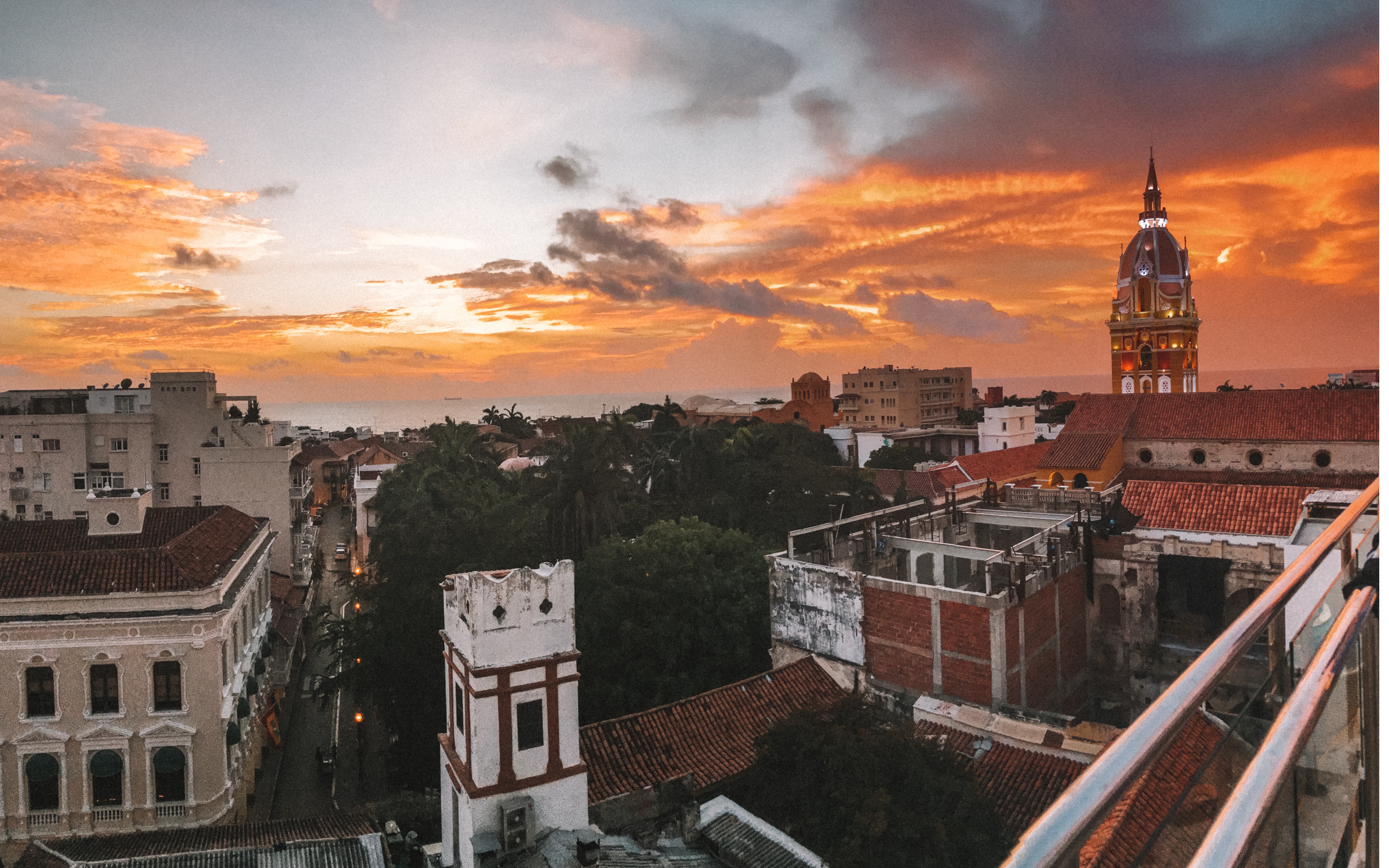
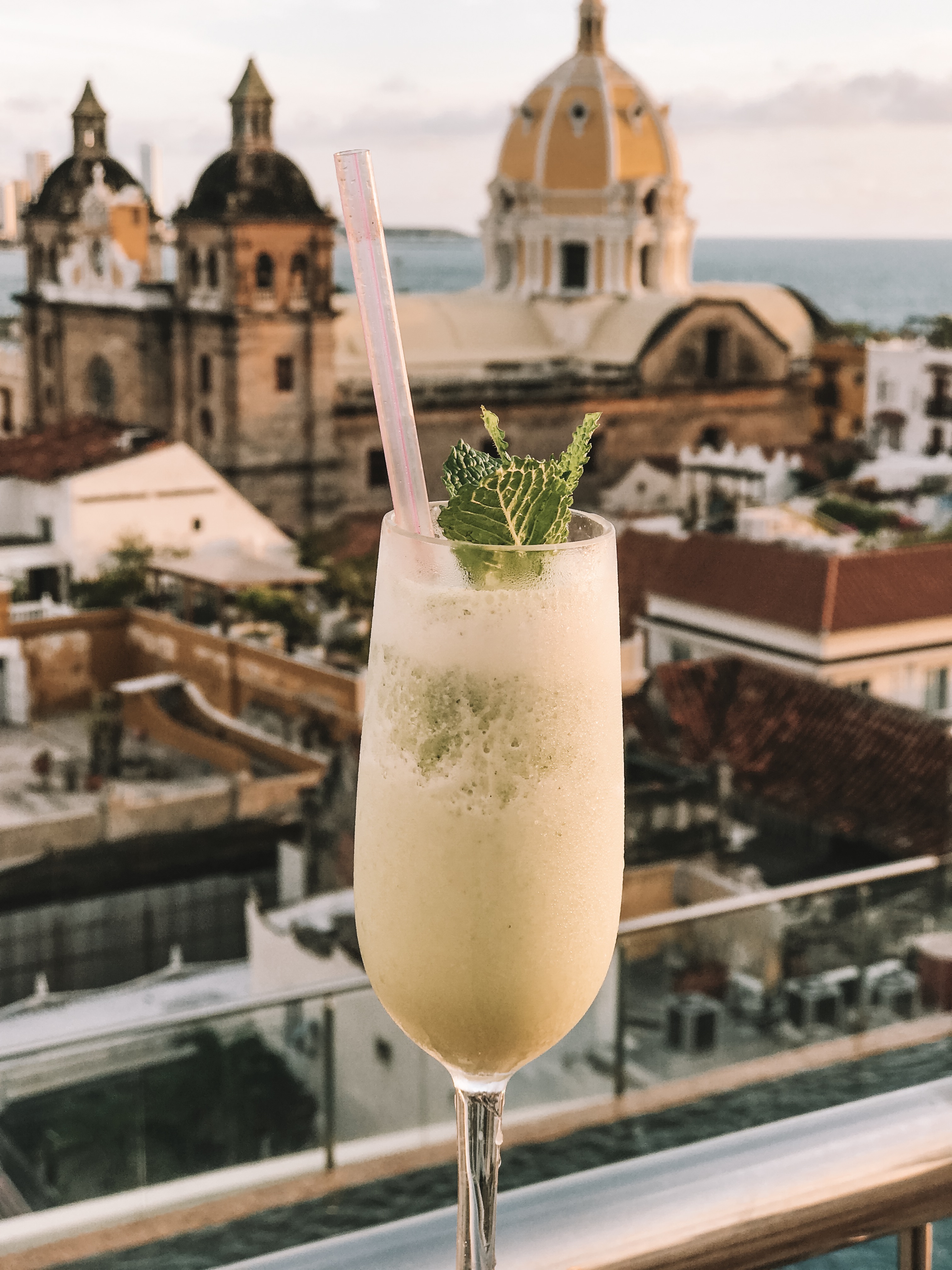
No doubt the most beautiful view of Old Cartagena, the rooftop of the Movich hotel is the place to grab a drink to start off any night out. Although you cannot take a dip in the pool unless you’re a hotel guest, the view itself is worth visiting. Grab a drink and enjoy the most spectacular sunset and selfie-worthy view that will most definitely have you picking your jaw up off the ground.
The beautiful (and safe) city of Cartagena should not be overlooked. If it’s rich and colorful history doesn’t sway you to visit, then maybe it’s diverse and authentic mouthwatering food will. Flying to Cartagena from Miami will take only 2 and a half hours and will cost roughly anywhere between $200-$300.
So it goes without saying, but…
You should visit, like yesterday.


 Chasing Sole
Amazing. Perfect city, great pictures. Love your blog.
LikeLike